Salivary Gland Cancer UK
Shop Donate
  • Home
  • About Us
    • Our Mission - Our 8 aims
    • The Story so Far - Our 5 year impact Report (2024)
    • SGC UK Governance
      • Sally Crowe
      • Shane Draper
      • Emma Kinloch
      • Robert Metcalf
      • Jackie O'Connor
      • Kemi Olaiya
      • Barry Thomas
    • UK Salivary Gland Cancer Research Working Group (UKSGCWG)
    • PPIE (Patient and Public Involvement and Engagement) Work
    • SGC Research Grants
    • SGC Travel Grants
      • Isobel Read shares her experience of ESMO 2025
      • Sian Dobbs shares her experience of ESMO 2025
    • Salivary Gland Cancer UK Mascots
    • Our Partners
  • Treatment Options
    • Diagnosis
    • Surgery
    • Radiotherapy
    • Drug Therapies
      • Drug Therapies - Immunotherapy
    • Clinical Trials
    • Radiofrequency ablation (RFA)
    • Gene profiling or tumour profiling or genomic testing
    • Patient follow up after treatment for SGC
  • Our Stories
    • Alex's story
    • Alison's story
    • Allison D's story
    • Barry's story
    • Christine's story
    • Dawn's story
    • Heather's story
    • Ian's story
    • Jade's story
    • Jamie's story
    • Jev's story
    • Jim's story
    • Kamla's story
    • Karen's story
    • Matilda's story
    • Sarah's story
    • Shane's story
    • Susan's story
  • Patient and Carer Support
    • Anxiety Management Techniques
    • Exercise for the head, neck and shoulder area
    • Returning to Work
    • Tips on communicating with an electrolarynx
    • How can I best support my mother?
    • Kemi shares her advice for supporting a loved one with cancer
    • Radiotherapy Treatment and Late Effects
      • The Late Effects of Radiotherapy Treatment with Emma Hallam, Consultant Therapeutic Radiographer
      • What is Radiation Induced Fibrosis? And How To Reduce Its Effects
      • Tips for Salivary Gland Cancer Patients Living with Radiotherapy Late Effects
      • Top tips for radiotherapy treatment from our network member Dawn
    • Dawn's tips for someone close to someone with Salivary Gland Cancer
    • Pain
    • Quality of Life (QoL) in Adenoid Cystic Carcinoma (ACC) Patients with Dr Joe Haigh
    • Mindfulness Practice with Emma Hallam, Consultant Therapeutic Radiographer
    • Psychological Support for those affected by Salivary Gland Cancers
  • Support SGC UK (and get involved)
    • Join Our Network (and get our newsletter)
    • Donate tissue to the Biobank
    • Our Events (gatherings and webinars)
    • Donate and help our work
    • Patient – Researcher Trial Discussions
    • Podcasts and Videos
    • Volunteering with SGC UK at a conference or event
    • Salivary Gland Cancer Day - 4th October
    • SGC UK Shareable Resources
    • Leaflets and Flyers
    • Ribbon badges, baseball caps, trolley coin fobs and more in our shop
  • Salivary Gland Cancers
    • A guide to different types of Salivary Gland Cancers
    • Genetic alterations in Salivary Gland Cancers
      • NTRK genes
      • The RET gene
      • The NOTCH gene
      • The MYB gene
      • Human epidermal growth factor receptor 2 (HER2)
      • Androgen Receptor (AR)
    • Acinic Cell Carcinoma (AcCC)
    • Salivary Gland Carcinoma, NOS (Adenocarcinoma)
    • Adenoid Cystic Carcinoma (ACC)
    • Salivary Gland Carcinoma, NOS (Adenocarcinoma, NOS)
    • Basal Cell Adenocarcinoma (BCAC)
    • Carcinosarcoma of the Salivary Glands
    • Salivary Duct Carcinoma (SDC)
    • Hyalinising Clear Cell Carcinoma (CCC)
    • Secretory Carcinoma (SC)
    • Mucoepidermoid Carcinoma (MEC) & Warthin-like MEC
    • Myoepithelial Carcinoma (MC)
    • Polymorphus Adenocarcinoma (PAC)
  • Body sites affected by SGC
    • Major Salivary Glands - Parotid, Sublingual and Submandibular
    • Secretory Glands - The Lacrimal Gland
    • Secretory Glands - Bartholin's Gland
    • Secretory Glands - The Lining of the Trachea
    • Skin
    • Nerves in the Head and Neck - Trigeminal Nerve
    • Nerves in the Head and Neck - Optic Nerve
    • Bone Structures in the Face
    • The Spine
    • Breast
    • The Ears
    • The Eye
    • How we taste
    • How we swallow
  • Fundraising for SGC UK
    • Run
    • Walk
    • Swim
    • Some fundraising ideas
    • Paying in the funds you've raised
    • Fundraising at work
    • Leaving a gift in your will
  • Salivary Gland Cancer Science - Research Updates
    • Association of quality of life with mortality in patients with adenoid cystic carcinoma using an internationally-validated QoL questionnaire (EQ-5D-5L)
    • Tracheal Adenoid Cystic Carcinoma: why studying it matters - and how biobanks help
    • Clinical Utility of Whole-Genome Sequencing to Aid Histologic Diagnosis and to Direct Personalized Medicine in Salivary Gland Cancer
    • Salivary gland cancer: new classifications and diagnostic challenges
    • New study examining disruption of oncogenic pathways in mucoepidermoid carcinoma (MEC)
    • New study reveals late recurrence and low survival rate of adenoid cystic carcinoma of the breast
    • New study using real-world UK data supports the use of HER2-directed therapies for HER2-positive salivary gland cancers
  • UK Salivary Gland Cancer Research Working Group (UKSGCRWG)
    • Research Working Group Members
    • RQ 1. Address the utility of Guidelines for Salivary Gland Cancers (SGC)
    • RQ 2. Assess the variation in histopathology reporting for Salivary Gland Cancers (SGC)
    • RQ 3. Standardise the decision-making processes for patients who have technically operable, Salivary Gland Cancer (SGC), where the surgery carries high morbidity
    • RQ 4. Improve the diagnostic pathway for Salivary Gland Cancer (SGC) patients
Join Our Network Add to Biobank Our Events Donate Shop

Acinic Cell Carcinoma (AcCC)

Acinic cell carcinomas account for 1-6% of salivary gland tumours.

Carcinosarcoma of the Salivary Glands

Carcinosarcoma accounts for less than 1% of all salivary gland tumours

Mucoepidermoid Carcinoma (MEC) & Warthin-like MEC

Mucoepidermoid Carcinoma (MEC) including Warthin-like MEC

Myoepithelial Carcinoma (MC)

Myoepithelial carcinoma makes up less than 2% of all salivary gland tumours

Polymorphus Adenocarcinoma (PAC)

Polymorphous adenocarcinoma (PAC) accounts for around 12% of malignant salivary gland tumours

Basal Cell Adenocarcinoma (BCAC)

Basal Cell Adenocarcinoma (BCAC) accounts for 1-3% of salivary gland cancers

Clinical Utility of Whole-Genome Sequencing to Aid Histologic Diagnosis and to Direct Personalized Medicine in Salivary Gland Cancer

Whole-Genome Sequencing (WGS) can be achieved in a clinically relevant timeframe for patients with relapsed/metastatic SGC

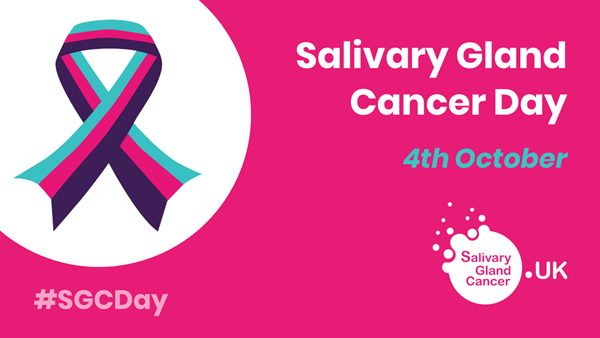
Salivary Gland Cancer Day - 4th October

19 Dec 2025

Raising Awareness for a Rare Disease. Welcome to the WORLD'S FIRST Salivary Gland Cancer Day, being held annually on the 4th of October.

SGC Travel Grants

Apply for funding to travel to a conference or workshop. We welcome all applications that are aligned with our strategy.

UK Salivary Gland Cancer Research Working Group (UKSGCWG)

09 Dec 2025

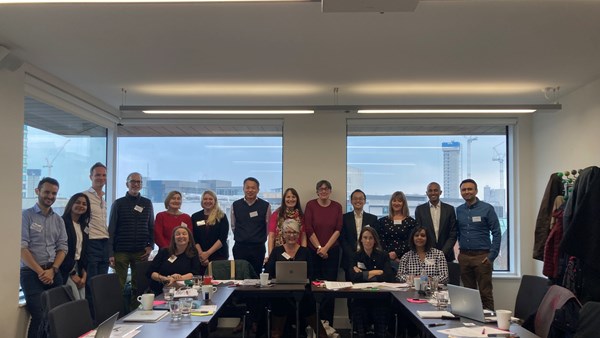
This working group is to identify the gaps in Salivary Gland Cancer Research, develop strategic priorities for this area of research and deliver them.

Load more stories
Salivary Gland Cancers
Our Stories
Patient and Carer Support
Support SGC UK (and get involved)
about a day ago Happy International Nurses Day! 💙 Today, May 12th, we join the world in celebrating the incredible dedication and expertise of the nursing profession. Coinciding with the birth of Florence Nightingale, this day is a chance to say a massive "thank you" to the nurses who are the heartbeat of our healthcare system. For the Salivary Gland Cancer community, nurses are more than just healthcare providers, they are our navigators, our advocates, and our support systems. Research Powered by Care 🧬 We are particularly proud and privileged to have the nursing perspective at the very heart of our research strategy. We want to give a special shout-out to Andrea Nelson and Sammy Rokosynski, who sit on our UK SGC Research Working Group. Having highly experienced nurses involved in research ensures that: ✅ The patient experience is prioritized in clinical trial designs. ✅ We bridge the gap between complex clinical data and day-to-day patient care. ✅ We focus on the "whole person," including the management of long-term side effects and recovery. The 2026 theme "Our Nurses. Our Future. The economic power of care"—reminds us that investing in nursing and involving them in research is an investment in a healthier, stronger future for the entire SGC community. Join us in saying thanks! 🦋 Do you have a nurse who made a difference in your SGC journey? Give them a shout-out in the comments below or wear blue today to show your support! #InternationalNursesDay #IND2026 #OurNursesOurFuture #SGCUK #NursesInResearch #SGCResearch #HeadAndNeckCancer #ThankYouNurses #HealthcareHeroes @SGCancerUK
Today we celebrate International Nurses Day and the profound impact of the nursing profession on global health systems.

In the rare cancer community, Specialist Head and Neck Nurses and Research Nurses are the backbone of the patient experience. The 2026 theme, "Our Nurses. Our Future. The economic power of care," reminds us that investing in nursing expertise directly strengthens our healthcare economy, improves patient safety, and accelerates clinical progress.

Bridging the Gap Between Care and Research🧬 At SGCUK, we don’t just celebrate nurses as caregivers; we value them as strategic research partners. We are incredibly privileged to have Andrea Nelson and Sammy Rokosynski as key members of our UK SGC Research Working Group.

By integrating their frontline clinical expertise into our research strategy, we ensure that: ✅ Clinical Trial Design is grounded in the reality of patient needs. ✅ Patient Advocacy is balanced with complex clinical data. ✅ Late Effects & Survivorship remain a central focus of our scientific inquiries.

We thank Andrea, Sammy, and all dedicated nursing professionals who bridge the gap between innovation and compassionate care every day.
#InternationalNursesDay #IND2026 #NursesDay #HealthcareLeadership #SGCResearch #OncologyNursing #FutureOfCare #ClinicalResearch #SGCUK
@sgcanceruk
about 2 days ago This Mental Health Awareness Week (11–17 May), we are highlighting that psychological support is a core part of the salivary gland cancer pathway, not an "optional extra." A diagnosis impacts far more than just your physical health. From "scanxiety" to navigating changes in appearance or speech, the emotional journey is significant. Dr. Elaine Mayon-White, Chartered Psychologist, emphasises that specialist support is a vital tool to help our community: 🧠Process the "Rare" Factor: Overcoming the isolation of a lesser-known diagnosis. 🧠Adjust to Change: Managing the emotional impact of surgery and treatment side effects. 🧠Communicate Needs: Finding safe ways to talk about your journey with loved ones and your clinical team. Whether you are a patient or a carer, your mental well-being is a priority. This week, we encourage you to explore the resources available to help you navigate these unique challenges. 🔗 Access our Psychological Support resources here: #MentalHealthAwarenessWeek #MHAW26 #SGCUK #MentalHealth #CancerSupport #RareCancer #SalivaryGlandCancer #YouAreNotAlone @SGCancerUK
BAHNO 2026: Strengthening Clinical Standards for Salivary Gland Cancer 🏥🔬
Our team is heading to the BAHNO (British Association of Head and Neck Oncologists) Annual Scientific Meeting this Friday, May 15th, to share new insights from the SGCUK Research Working Group.

As part of our mission to bridge the gap between patient experience and clinical practice, we will be presenting a poster focused on our first Research Question (RQ1).

Featured Presentation: RQ1
Title: 'Addressing the Utility of Guidelines for Oncological Management of Salivary Gland Malignancies'

In the management of rare cancers, clinical guidelines are essential for ensuring equity of care. However, the histological diversity of salivary gland malignancies presents unique challenges for standardization. Our research evaluates the current utility of these guidelines and identifies critical areas where further refinement is needed to support clinicians and improve patient outcomes.

Why this research matters:
🔹Consistency of Care: Assessing how guidelines are applied to ensure every patient receives evidence-based treatment.
🔹Identifying Gaps: Highlighting where current protocols may not fully address the complexities of specific SGC subtypes.
🔹Informing Future Policy: Using these insights to advocate for updated, comprehensive management pathways.

If you are attending #BAHNO2026, we invite you to visit us during the poster sessions. We are keen to discuss these findings with fellow oncologists, surgeons, and researchers to ensure that future clinical standards are both robust and patient-centred.
Follow \@BAHNOOffical for live updates from the conference!

#BAHNO2026 #HeadAndNeckCancer #OncologyResearch #ClinicalGuidelines #SalivaryGlandCancer #SGCUK #MedicalInnovation #EvidenceBasedMedicine
Sarah Brigham Sean Buckland \@Satya Garikipati Puteri Abdul Haris Rumana Newlands \@Romelie Rieu
@sgcanceruk
about 5 days ago We have just ONE charity spot remaining for the iconic Loch Ness Marathon this September! This isn't just a race through some of the UK’s most beautiful scenery, it’s a chance to make a tangible difference for the salivary gland cancer community. By taking this final spot, you’ll be raising vital funds for our Patient Travel Bursary Fund. Why your run matters: For many SGC patients, the best treatment or clinical trial isn't always local. Your fundraising ensures that travel costs are never a barrier to receiving specialist care or attending our support gatherings. Will you be our final "Nessie" runner? Don't wait, once this spot is gone, it’s gone! 📩 Message us NOW to claim the last place or email us at [email protected] to get started. #LochNessMarathon #SGCUK #FinalSpot #RunForCharity #RareCancer #MarathonTraining #LochNess #SalivaryGlandCancer @SGCancerUK
Precision is everything in rare oncology. Secretory Carcinoma (SC) accounts for less than 0.3% of salivary gland cancers, and because it mimics other subtypes under a microscope, genetic analysis is the gold standard for diagnosis.

The discovery of the ETV6-NTRK3 gene fusion has transformed the treatment landscape for SC. While surgery remains the primary intervention, the identification of this genetic "signature" allows for the use of highly effective targeted therapies like larotrectinib or entrectinib.

At SGCUK, we continue to advocate for universal access to whole genome sequencing (WGS) to ensure every patient receive a diagnosis, and a treatment plan, backed by molecular evidence.

https://lnkd.in/e644ANFQ
#PrecisionMedicine #Genomics #OncologyResearch #SecretoryCarcinoma #RareDisease #HealthTech
@sgcanceruk
about 7 days ago Today, we’re shining a light on Secretory Carcinoma (SC), an extremely rare subtype that makes up less than 0.3% of all cases. What is Secretory Carcinoma? SC is typically a slow-growing, painless lump, most commonly found in the parotid gland (near the ear) or the minor salivary glands in the mouth. It is often discovered by accident and is generally considered a less aggressive form of cancer. The Power of Genetic Testing 🧬 Because SC can look like other types of cancer under a microscope, genetic analysis is often the only way to confirm a diagnosis. Researchers have found that SC is almost always driven by a specific "gene fusion" (ETV6 and NTRK3). Why this matters for treatment: While surgery and radiotherapy are the standard first steps, this specific genetic "signature" has opened a new door for patients. Targeted drugs like larotrectinib or entrectinib have shown great results for SC that has spread, providing a much more effective alternative to traditional chemotherapy. This is exactly why we advocate for every patient to have access to genomic testing, it’s about getting the right treatment for your specific type of cancer. 🔗 Read more about Secretory Carcinoma here: #SGCUK #SecretoryCarcinoma #RareCancer #GenomicTesting #PrecisionMedicine #CancerAwareness #SalivaryGlandCancer @SGCancerUK
about 10 days ago Sometimes, the weight of a diagnosis or the challenges of recovery can feel overwhelming. In those moments, it’s important to look back at how far you’ve already come. "You are braver than you believe, stronger than you seem, and smarter than you think." At SGCUK, we see this bravery every day in our community, in the patients navigating treatment, the carers providing tireless support, and the clinicians searching for answers. Rare cancer can feel isolating, but please remember: You are not a statistic, and you are not alone. Whether you are having a "strong" day or a day where you just need to rest, you are part of a network that stands with you. How do you stay encouraged? If you have a favorite quote or a piece of advice that helped you through a "sticky" patch, please share it in the comments below. Your words might be exactly what someone else needs to hear today. 👇 #SGCUK #Inspiration #RareCancer #CommunitySupport #YouAreNotAlone #Hope #SalivaryGlandCancer @SGCancerUK
about 12 days ago We’re heading to Glasgow! Will you join us? 🏴󠁧󠁢󠁳󠁣󠁴󠁿 The countdown is officially on for our SGCUK Patient & Carer Gathering on Saturday, June 20th. For many of us, this is the highlight of the year, a chance to meet others who truly "get it" in a relaxed, supportive space. Whether you are a patient, a clinician, or a carer, this day is for you. This is the perfect opportunity to hear the latest updates on SGC activities in the UK and internationally, and most importantly, to connect with our community. What to expect: ✅ Real Stories: Hear from fellow patients about their experiences and how we are tackling the challenges of SGC together. ✅ Expert Guidance: A deep dive into the Late Effects of Head and Neck Cancer Guidelines with Macmillan Consultant Radiographer, Emma Hallam. ✅ Research & Policy Updates: Learn about the UK trial landscape and how the Rare Cancers Bill will impact the future for SGC patients. ✅ Your Voice: Join the discussion to help shape our future focus. When: Saturday, June 20th, 2026 (10:00 AM – 4:00 PM) Where: Glasgow & Online via Zoom As always, we’ll be filming stories on the day to help raise awareness, we’d love for you to share yours! Don’t miss out on this day of connection and community. We can't wait to see some familiar faces and welcome new ones! 👇 Register your free spot here (In-person or Zoom): #SGCUK #GlasgowGathering #RareCancerSupport #CancerCommunity #SalivaryGlandCancer #SGCFamily #PatientVoice @SGCancerUK
about 13 days ago As we close out Head and Neck Cancer Awareness Month, we want to focus on the most important tool in any patient’s journey: Early Detection. Because salivary gland cancers (SGC) are rare, the symptoms can sometimes be overlooked or attributed to more common conditions like dental issues. However, knowing what to look for can make a huge difference. What should you look for? The most common sign of SGC is a slow-growing, painless lump. Expert Insight: Dr. Sam Rack on Aims 3 & 4 📺 We are working hard to improve how quickly patients are diagnosed. In this video, Sam explains our core missions: Aim 3 (Improving clinical pathways) and Aim 4 (Increasing rates of early diagnosis). Hearing from a doctor about why these pathways matter helps us all understand why "checking your neck" and seeing a professional is so vital. 👉 Watch Dr. Sam’s video here: When to see a professional: If you notice a persistent lump or swelling in your face, jaw, or neck that hasn't gone away after two weeks, please make an appointment with your GP or Dentist. They are your first line of defense. Help us spread the word - sharing this expert advice could help someone catch a diagnosis early. #SGCUK #HNCAM #EarlyDetection #SalivaryGlandCancer #CancerAwareness #CheckYourNeck #HeadAndNeckCancer #DoctorInsight @SGCancerUK
As we conclude Head and Neck Cancer Awareness Month, we are focusing on the critical "first mile" of the patient journey: Early Detection and Referral.
Salivary Gland Cancers (SGC) are rare, representing approximately 1% to 6% of all head and neck neoplasms. Because of this rarity, the initial clinical presentation can often be subtle, leading to potential delays in diagnosis.

The Clinical Presentation: The hallmark of SGC is a firm, slow-growing, typically painless mass. While the majority of parotid tumors are benign, any persistent lump in the following regions requires urgent investigation:
The Parotid Gland: In front of or below the ear.
The Submandibular Gland: Below the jawline.
Minor Salivary Glands: The hard palate, inner cheek, or tongue.

Red Flags for Malignancy: While pain is not always present, certain symptoms should trigger an urgent referral to a specialist: 🚩 Facial Nerve Weakness: Any palsy or asymmetry in facial expression. 🚩 Rapid Growth: A sudden increase in the size of a long-standing lump. 🚩 Fixation: A mass that feels "stuck" to the skin or underlying bone. 🚩 Paresthesia: Numbness or tingling in the facial or oral region.

A key part of our mission involves Aim 3 (Improving clinical pathways) and Aim 4 (Increasing rates of early diagnosis). In this video, Sam discusses the vital importance of these goals, highlighting why we need robust systems that catch SGC before it reaches an advanced stage.
📺 Watch Sam’s video on Aims 3 & 4 here: https://lnkd.in/ePNmjVav

The Role of Primary Care: GPs and General Dental Practitioners (GDPs) are the frontline of defence. An unexplained lump in the oral cavity or the neck that persists for more than three weeks warrants a specialist review.

At SGCUK, we are committed to supporting clinicians with the resources needed to identify these rare subtypes early. By shortening the time from first symptom to genomic profiling and surgical intervention, we significantly improve long-term functional outcomes for our patients.

Explore our latest research and clinical updates: 🔗 https://lnkd.in/efDEYkJJ
#Oncology #HeadAndNeckCancer #ClinicalExcellence #EarlyDiagnosis #SGCUK #Dentistry #PrimaryCare #HNCAM #PatientVoice #CancerResearch
@sgcanceruk
Why "Small Data" Matters in Rare Cancer
During the recent House of Lords debate on the Rare Cancer Bill, one theme was made clear: Data is the lifeline of rare disease research. Because Salivary Gland Cancers are so rare, single-centre studies often lack the "statistical power" needed to change clinical guidelines.
This is why SGCUK champions:
✔️National Registries: Capturing every diagnosis to understand long-term outcomes.
✔️Sample Sharing: Encouraging the donation of tissue to the biobank at The Christie.
✔️Patient-Reported Outcomes (PROs): Turning the "lived experience" of anxiety, dry mouth, and pain into measurable data for drug trials.

By sharing data across borders and institutions, we turn isolated cases into a collective force for drug development.
#DataScience #RareDisease #OncologyResearch #ClinicalTrials #SGCUK #BigDataHealth
@sgcanceruk
about 17 days ago Community Spotlight: Running for Charlotte’s Journey 🏃‍♂️✨ We are so moved by the incredible strength of Tom Surgenor and his family. In June 2025, Tom’s wife Charlotte. an amazing mum to little Maisie, was diagnosed with Adenoid Cystic Carcinoma (ACC), a rare and challenging type of salivary gland cancer. Because ACC is so rare, research and funding are often limited. Tom and the "Charlotte’s Journey" team are on a mission to change that. They are raising vital funds for SGCUK to help us drive the research, genomic testing, and patient support that families like theirs rely on. Tom says: "Any donation, no matter how small, and even simply sharing this page, will help make a difference. Your kindness and support mean more to our family than words can say, and will help give hope to others facing the same diagnosis." At SGCUK, every penny raised by our community goes directly toward ensuring that "rare" never means "forgotten." We are standing right behind Tom, Charlotte, and Maisie. How you can help today: 👉 Donate to Tom’s fundraiser: 👉 Follow their journey and show your support on Instagram: @charlottesjourneyx 👉 Share this post to help spread awareness of ACC. Thank you, Tom, for your incredible dedication. We are honored to have you in our network. #SGCUK #CharlottesJourney #AdenoidCysticCarcinoma #ACC #RareCancer #Fundraising #CommunityStrength #SalivaryGlandCancer @SGCancerUK
about 20 days ago As we move through Head and Neck Cancer Awareness Month, we want to turn awareness into action. At SGCUK, we are proud of our 7-year history of helping patients, but there is still work to be done. How you can support the SGC community today: Register for the Gathering: Our Glasgow Gathering on June 20th is the ultimate awareness event - connecting patients, carers, and experts. Loch Ness Marathon: We still have 1 spot left for our "Nessies"! Run for a cause by emailing [email protected]. Educate: Share something from our website like our "Body Sites" guide to help others understand the impact of SGC Thank you for being part of our network. Whether you are sharing a post or running a marathon, you are helping to put Salivary Gland Cancer on the map. #SGCUK #AwarenessMonth #LochNessMarathon #CancerSupport #PatientVoice #HNCAM @SGCancerUK
Not All Head and Neck Cancers are Created Equal 🔬
During Head and Neck Cancer Awareness Month, it’s important to highlight the diversity within this field. Salivary gland cancers (SGC) represent a complex group of over 20 different subtypes, each requiring a tailored approach.

At SGCUK, we are working to ensure that "rare" doesn't mean "overlooked." From the maxilla (upper jaw) to the minor salivary glands in the palate, the anatomical complexity of these sites requires a truly multidisciplinary team:
🟢Surgeons for precise excision.
🟢Restorative Dentists for functional recovery.
🟢Geneticists for tumour profiling.

This month as part of oral, head, and neck cancer awareness month, we celebrate the clinicians and researchers who specialise in this intricate area of oncology. 
#Oncology #HeadAndNeckSurgery #SGCUK #PrecisionMedicine #MedicalResearch #Genomics
@sgcanceruk
about 22 days ago Surgery, Bone, and Recovery – What You Need to Know 🦷 When facing surgery for salivary gland cancer, you might hear your surgical team talk about the "Maxilla" or the "Mandible." These are simply the medical names for your upper and lower jaw bones. Why does bone matter in SGC surgery? Because salivary glands sit very close to your jaws, surgeons sometimes need to remove a small piece of bone to make sure they have removed all the cancer cells. 1. The Maxilla (Upper Jaw): This bone forms the roof of your mouth. If part of this is removed, a Restorative Dentist can create something called an obturator. Think of it like a specialised dental plate that fills the gap, helping you eat, drink, and speak just like before. 2. The Mandible (Lower Jaw): This is your moving jaw bone. If a piece of the mandible needs to be removed (which can happen with submandibular gland tumors), reconstructive surgery can help rebuild the area to keep your jaw strong and your smile intact. You aren't alone in this. Heading into surgery that involves bone can feel daunting, but the teams who handle these operations are experts in both removing the cancer and rebuilding the structure of your face. Have questions about dental or jaw reconstruction after surgery? Check out our "Body Sites" guide here: #SGCUK #FaceAnatomy #CancerRecovery #SGCSupport #OralHealth #SurgerySupport @SGCancerUK
In complex head and neck surgeries for Salivary Gland Cancer (SGC), understanding the underlying bone structure is essential for both surgical planning and long-term rehabilitation.
When a tumour is located near the Maxilla (upper jaw) or Mandible (lower jaw), surgeons must sometimes remove sections of bone to ensure "clear margins" or to gain access to deeper tissues.

The Maxilla (Upper Jaw) The maxilla is more than just the upper jaw; it forms the roof of the mouth (hard palate), the floor of the eye sockets, and the sides of the nasal cavity.

Surgical Impact: If a tumour involves the palate or the sinuses, a portion of the maxilla may be removed.

Rehabilitation: This is where Restorative Dentistry is vital. Patients may be fitted with an obturator - a specialised dental prosthesis that seals the gap in the roof of the mouth, restoring the ability to speak and swallow effectively.
The Mandible (Lower Jaw) As the strongest bone in the skull, the mandible supports the lower teeth and facilitates movement via the temporomandibular joint (TMJ).

Surgical Impact: Because the submandibular and sublingual glands sit in close proximity to the lower jaw, some bone excision may be necessary for complete tumour removal.

Rehabilitation: Reconstructive surgeons can often use bone grafts or specialized dental implants to restore the jawline and dental function.

At SGCUK, we emphasise the importance of a Multidisciplinary Team (MDT). Surgeons, restorative dentists, and speech therapists work together from day one to ensure that even when bone removal is necessary, the focus remains on quality of life and functional recovery.
#SGCUK #MaxillofacialSurgery #HeadAndNeckCancer #Mandible #Maxilla #RestorativeDentistry #PatientCare #Oncology
@sgcanceruk
about 23 days ago Thank you Duane!!! What an incredible achievement! We appreciate your support so much 💕 @SGCancerUK
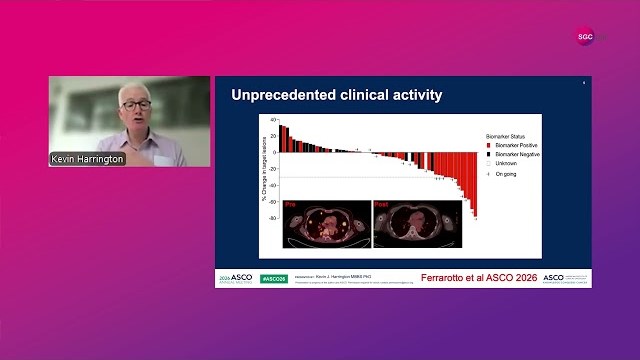
👏 The session 'FDA Project Frontrunner - Accelerating Drug Approval for Patients' session was particularly interesting to us.
Thank you!

IQVIA
@sgcanceruk
about 24 days ago Feeling Anxious About Seeing Friends? You Aren’t Alone. ❤️ Have you found that seeing friends, something that used to be fun, now triggers a bit of panic or sadness? Many in our community have shared that while they felt "okay" while at home during treatment, re-entering the world feels different. You might see people your own age living a life that feels miles away from yours. Dr. Elaine Mayon-White has some gentle advice for these moments: ✅ Be Kind to Your Brain: If you’ve been isolated, your brain might be stuck in "protection mode." Try small steps. Start with a very short meet-up and tell your friends, "I’m feeling a bit anxious being out and about; can we keep it short today?" ✅ Give Permission: One patient shared that they gave their family permission to say, "Hang on, I think you’re heading into a sticky place." Sometimes those close to us see the signs of a panic attack before we do! ✅ Grounding Techniques: If you experience physical symptoms like visual disturbances during a panic attack, try focusing on your breathing to help regulate your body. (Note: Always get new physical symptoms checked by your doctor first!) ✅ Focus on the "Here and Now": It is okay to feel sad that your life looks different from your friends'. By acknowledging that loss, you can focus more clearly on the present moment and what you have right now. Watch the full video with Dr. Elaine here for more techniques: #SGCUK #AnxietySupport #CancerJourney #MentalHealthMatters #SalivaryGlandCancer #YouAreNotAlone #SmallSteps @SGCancerUK
about 27 days ago Taking the "SGC Talk" to Your Dentist Did you know your dentist is often the first person to spot a change in your mouth or jaw? Whether you are currently in treatment or have been in recovery for years, your local dentist is a huge part of your "Team." Three things to talk to your dentist about: Any New Lumps: If you feel a painless swelling in your cheek or the roof of your mouth, show them! Dry Mouth: If treatment has left you with less saliva, your dentist can prescribe special high-fluoride toothpaste or gels to protect your teeth. Your History: Make sure they know your specific SGC subtype. It helps them tailor your check-ups. The Role of the Dental Hygienist ✨ Recovery doesn’t stop at the surgeon's office. Keeping your mouth meticulously clean after treatment is essential, especially if your saliva production has changed. A dental hygienist can help you manage plaque and prevent infections that are more common post-radiotherapy. As Frances explains in her video, a regular toothbrush only cleans about 60% of your teeth. 📺 Watch Frances’ guide on interdental cleaning here: #SGCUK #DentalHealth #CancerSupport #CheckYourNeck #PatientTips #HealthySmile #OralHygiene #DentalHygienist #TePe @SGCancerUK
Functional Recovery: The Role of the Restorative Dentist in SGC
In salivary gland cancer surgery involving the maxilla or mandible, "success" isn't just measured by tumour removal, it’s measured by a patient’s ability to eat, speak, and smile again.

This is where the Restorative Dentist becomes a critical member of the team. Their work often begins before surgery, planning for:
💠Obturators: Removable prostheses that seal the hard palate after maxillary resection.
💠Implant-Retained Bridges: Restoring dental function after mandibular reconstruction.
💠Xerostomia Management: Providing clinical strategies for patients dealing with permanent dry mouth post-radiotherapy.

At SGCUK, we advocate for early referral to restorative dental services to ensure that rehabilitation is built into the surgical plan from day one.
#RestorativeDentistry #MaxillofacialSurgery #SGCUK #OralOncology #PatientRehabilitation #DentalHealth Restorative Dentistry UK (RD-UK)
@sgcanceruk
Help us change the diagnostic journey for Salivary Gland Cancer.

Early detection saves lives, but for rare cancers, the path to a diagnosis can often be long and complex.

We are looking for individuals in the UK who have been diagnosed with salivary gland cancer (including salivary gland-type cancers like ACC originating in the breast, trachea, skin, bartholins gland or lungs) to share their experiences.

Goal: To improve early detection and patient care in the UK.
Time: Approx. 15 minutes.
Privacy: Completely anonymous.

If you’ve navigated this journey, your voice is vital. Please consider taking part or sharing this post with your network to help us reach those who can.

Take the survey here: https://lnkd.in/eXWDbMcA

Please share with your networks.

#SalivaryGlandCancer #RareCancer #PatientVoice #UKHealth #CancerResearch #EarlyDiagnosis #headandneckcancer
@sgcanceruk
about 29 days ago A Race for Legacy and Hope ❤️ 👟 We want to send a massive "Good Luck" and a huge thank you to Aneesha Robins, who is taking on the London Marathon for SGCUK on April 26th! Aneesha is running in honour of her mum, Kamla Devi Sondhi, who bravely faced a rare cancer called Adenoid Cystic Carcinoma (ACC). Aneesha’s story is a powerful reminder of why research matters: Because of pioneering treatment, her mum was given six extra years of life. Six years of love and memories that Aneesha now carries with her in every mile she runs. "She proved that rare doesn’t have to mean hopeless. It just means overlooked." We are so proud to have been part of Kamla’s journey, and we are honoured that Aneesha has chosen to support SGCUK to help other families get the same gift of time and hope. Let’s help Aneesha smash her fundraising goal! Every donation helps us fund the research that turns "rare" into "reachable." 👇 Donate and leave a message of support for Aneesha here: #SGCUK #LondonMarathon #TeamSGCUK #ACC #RareCancer #RunningForMom #Hope #MoreLife @SGCancerUK
about a month ago Did you know that you have hundreds of "minor" salivary glands lining your mouth, lips, and tongue? While they only produce a small amount of your saliva, they can sometimes be the starting point for a rare cancer called Hyalinising Clear Cell Carcinoma (CCC). What should you know about CCC? Slow & Steady: CCC is generally a non-aggressive cancer. It usually grows slowly as a painless lump in the mouth. The "Clear" Name: It gets its name because, under a microscope, the cancer cells look clear inside! Diagnosis Matters: Because it can look like other types of cancer, doctors often use genetic testing to look for a specific "link" between two genes (EWSR1 and ATF1). Finding this link confirms it is CCC. Good News on Recovery: The main treatment is surgery. Because CCC rarely spreads to other parts of the body, the long-term outlook for patients is typically very good. If you or a loved one are navigating a diagnosis of CCC, remember that while it is rare, it is also highly treatable. Want to learn more about the different types of salivary gland cancer? Visit our website for patient-friendly guides and support: #SGCUK #RareCancer #ClearCellCarcinoma #SalivaryGland #PatientSupport #CancerAwareness @SGCancerUK
about a month ago April is a season of renewal, and for many in our SGC community, it’s a time to look forward. A diagnosis can feel like a "full stop," but we prefer to see it as a semicolon; a place where the story continues, often with a new-found strength and a deeper connection to those around us. This month, we celebrate the small victories; the clear scan, the return of a sense of taste, or the first walk in the spring sunshine. 🌸 Wherever you are in your journey, know that you are part of a network that hears that "music of the future" alongside you. Share one thing that is giving you hope this month in the comments below. 👇 #SGCUK #Hope #Resilience #CancerAwareness #SpringRenewal #RareCancerSupport @SGCancerUK
about a month ago April is Head and Neck Cancer Awareness Month 🎗️ Salivary gland cancers are a rare but vital part of the head and neck cancer family. This month, we join the global community in raising our voices to ensure these "lesser-known" cancers are caught early and treated correctly. Did you know? Early detection is key. While many head and neck cancers are linked to lifestyle factors, salivary gland cancers often appear as a painless lump in the cheek, jaw, or mouth. How can you help this month? Check: If you notice a persistent, unexplained lump or swelling in your face or neck, see your GP or dentist. Share: Spread the word about SGCUK. Rare cancers often fall through the cracks - help us make sure they don't. Advocate: Support our mission to standardise care across the UK. Awareness doesn't stop on April 30th, but this month is a powerful reminder that knowledge saves lives. #HeadAndNeckCancerAwareness #HNCAM #SGCUK #RareCancer #EarlyDetection #CheckYourNeck @SGCancerUK
about a month ago Today is our 7th Birthday! 🎉 Seven years ago, SGCUK was founded with one simple but powerful goal: to ensure that no one has to face a salivary gland cancer diagnosis alone. Since then, we have grown from a small support network into a charity that is is collaborating to improve legal and regulatory frameworks, funding research, and bringing the brightest minds in medicine together. What are we proud of this year? ✅ Helping to pass the Rare Cancer Bill to improve care for our community. ✅ Hosting life-changing Gatherings across the UK (see you in Glasgow this June!). ✅ Funding new research through our SGCUK Grants. ✅ Standing by our patients through diagnosis, treatment, and recovery. To our fundraisers, our donors, and our patients: Thank you. You are the heart of SGCUK. We are so proud of how far we’ve come, and we are more energised than ever to keep fighting for better outcomes, better treatments, and better lives. Here’s to the next 7 years! 🥂 #SGCUK #7YearsStrong #RareCancerSupport #CancerCommunity #HappyBirthdaySGCUK #TogetherWeAreStronger @SGCancerUK
about a month ago Have you been diagnosed with salivary gland cancer in the UK? We are inviting individuals to take part in a short survey to help improve understanding of how salivary gland cancer presents and is diagnosed in the UK. This survey is open to individuals who: Have been diagnosed with salivary gland cancer — this includes salivary gland–type cancers (such as adenoid cystic carcinoma) that originated in other sites, such as the breast or lungs. Underwent diagnostic care within the UK The survey takes approximately 15 minutes to complete. All responses are completely anonymous. Your responses will help us better understand the symptoms patients experience and the pathways to diagnosis, with the aim of improving early detection and patient care. If you’re eligible and willing to share your experience, please consider taking part: Thank you for sharing your experience and helping improve our understanding of these conditions. Please share this survey to spread the word! #acc #adcc #acinic #adenoidcysticcarcinoma #salivaryduct #sdc #mec #mucoepidermoid #secretory #sgc #salivaryglandcancer #diagnosis #cancerdiagnosis @SGCancerUK
about a month ago Spring has arrived, and that means our SGCUK Gathering is just around the corner! Whether you are a patient, carer, or clinician, we’d love for you to join us on Saturday, 20th June for a day of connection, education, and support. 📍 Where: thestudio...Glasgow OR join us virtually from anywhere! ⏰ When: 10:30 am – 4:00 pm 🎟️ Cost: Entirely free (including a complimentary lunch for those in Glasgow). What’s happening? Expert Insights: Hear the latest SGC research updates from UK and international guest speakers. Peer Support: A chance to share stories and meet others who understand the SGC journey. Accessibility: We have travel and accommodation bursaries available to ensure everyone can attend. Email us at [email protected] for more info. Our previous gatherings have been described as "heart-warming successes" don't miss out on being part of this one! Book your free place here: #SGCUK #SalivaryGlandCancer #Glasgow2026 #CancerSupport #RareCancer #PatientVoice @SGCancerUK

Contact Us

hello@salivaryglandcancer.uk

Salivary Gland Cancer UK, International House, 36-38 Cornhill, London EC3V 3NG

Terms & Conditions Cookies Privacy Policy

Salivary Gland Cancer UK is a registered charity number 1182762.