Salivary Gland Cancer UK
Shop Donate
  • Home
  • About Us
    • Our Mission - Our 8 aims
    • The Story so Far - Our 5 year impact Report (2024)
    • SGC UK Governance
      • Sally Crowe
      • Shane Draper
      • Emma Hallam
      • Natalie Herbert
      • Emma Kinloch
      • Robert Metcalf
      • Jackie O'Connor
      • Kemi Olaiya
      • Barry Thomas
    • UK Salivary Gland Cancer Research Working Group (UKSGCWG)
    • PPIE (Patient and Public Involvement and Engagement) Work
    • SGC Research Grants
    • SGC Travel Grants
      • Isobel Read shares her experience of ESMO 2025
      • Sian Dobbs shares her experience of ESMO 2025
    • Salivary Gland Cancer UK Mascots
    • Our Partners
  • Treatment Options
    • Diagnosis
    • Surgery
    • Radiotherapy
    • Drug Therapies
      • Understanding the immune landscape in Adenoid Cystic Carcinoma
      • University of Manchester Research - The Ella Project
    • Clinical Trials
    • Radiofrequency ablation (RFA)
    • Gene profiling or tumour profiling or genomic testing
    • Patient follow up after treatment for SGC
  • Our Stories
    • Alex's story
    • Alison's story
    • Allison D's story
    • Barry's story
    • Cheryl's story
    • Christine's story
    • Dawn's story
    • Glenda's story
    • Heather's story
    • Ian's story
    • Jade's story
    • Jamie's story
    • Jev's story
    • Jim's story
    • Kamla's story
    • Karen's story
    • Matilda's story
    • Rumana's story
    • Sarah's story
    • Shane's story
    • Susan's story
  • Patient and Carer Support
    • Anxiety Management Techniques
    • Managing anxiety with Dr Elaine Mayon-White
    • Exercise for the head, neck and shoulder area
    • Returning to Work
    • How do I manage a visual disturbance during a panic attack?
    • Tips on communicating with an electrolarynx
    • How can I best support my mother?
    • Kemi shares her advice for supporting a loved one with cancer
    • Radiotherapy Treatment and Late Effects
      • The Late Effects of Radiotherapy Treatment with Emma Hallam, Consultant Therapeutic Radiographer
      • What is Radiation Induced Fibrosis? And How To Reduce Its Effects
      • Tips for Salivary Gland Cancer Patients Living with Radiotherapy Late Effects
      • Top tips for radiotherapy treatment from our network member Dawn
    • Dawn's tips for someone close to someone with Salivary Gland Cancer
    • Pain
    • Quality of Life (QoL) in Adenoid Cystic Carcinoma (ACC) Patients with Dr Joe Haigh
    • Mindfulness Practice with Emma Hallam, Consultant Therapeutic Radiographer
    • Psychological Support for those affected by Salivary Gland Cancers
  • Support SGC UK (and get involved)
    • Join Our Network (and get our newsletter)
    • Donate tissue to the Biobank
    • Our Events (gatherings and webinars)
    • Donate and help our work
    • Patient – Researcher Trial Discussions
    • Podcasts and Videos
    • Volunteering with SGC UK at a conference or event
    • Salivary Gland Cancer Day - 4th October
    • SGC UK Shareable Resources
    • Leaflets and Flyers
    • Ribbon badges, baseball caps, trolley coin fobs and more in our shop
  • Salivary Gland Cancers
    • A guide to different types of Salivary Gland Cancers
    • Genetic alterations in Salivary Gland Cancers
      • NTRK genes
      • The RET gene
      • The NOTCH gene
      • The MYB gene
      • Human epidermal growth factor receptor 2 (HER2)
      • Androgen Receptor (AR)
    • Acinic Cell Carcinoma (AcCC)
    • Salivary Gland Carcinoma, NOS (Adenocarcinoma)
    • Adenoid Cystic Carcinoma (ACC)
    • Salivary Gland Carcinoma, NOS (Adenocarcinoma, NOS)
    • Basal Cell Adenocarcinoma (BCAC)
    • Carcinosarcoma of the Salivary Glands
    • Hyalinising Clear Cell Carcinoma (CCC)
    • Secretory Carcinoma (SC)
    • Mucoepidermoid Carcinoma (MEC) & Warthin-like MEC
    • Myoepithelial Carcinoma (MC)
    • Polymorphus Adenocarcinoma (PAC)
    • Salivary Duct Carcinoma (SDC)
    • Lymphoepithelial Carcinoma (LEC)
  • Body sites affected by SGC
    • Major Salivary Glands - Parotid, Sublingual and Submandibular
    • Secretory Glands - The Lacrimal Gland
    • Secretory Glands - Bartholin's Gland
    • Secretory Glands - The Lining of the Trachea
    • Skin
    • Nerves in the Head and Neck - Trigeminal Nerve
    • Nerves in the Head and Neck - Optic Nerve
    • Bone Structures in the Face
    • The Spine
    • Breast
    • The Ears
    • The Eye
    • How we taste
    • How we swallow
  • Fundraising for SGC UK
    • Run
    • Walk
    • Swim
    • Some fundraising ideas
    • Paying in the funds you've raised
    • Fundraising at work
    • Leaving a gift in your will
  • Salivary Gland Cancer Science - Research Updates
    • Clinical Utility of Whole-Genome Sequencing to Aid Histologic Diagnosis and to Direct Personalized Medicine in Salivary Gland Cancer
    • New Treatment Options in Adenoid Cystic Carcinoma (ACC), Updates from ASCO 2026
    • Exploring the feasibility of AI-based analysis of histopathological variability in salivary gland tumours
    • Association of quality of life with mortality in patients with adenoid cystic carcinoma using an internationally-validated QoL questionnaire (EQ-5D-5L)
    • Tracheal Adenoid Cystic Carcinoma: why studying it matters - and how biobanks help
    • Salivary gland cancer: new classifications and diagnostic challenges
    • New study examining disruption of oncogenic pathways in mucoepidermoid carcinoma (MEC)
    • New study reveals late recurrence and low survival rate of adenoid cystic carcinoma of the breast
    • New study using real-world UK data supports the use of HER2-directed therapies for HER2-positive salivary gland cancers
  • UK Salivary Gland Cancer Research Working Group (UKSGCRWG)
    • Research Working Group Members
    • RQ 1. Address the utility of Guidelines for Salivary Gland Cancers (SGC)
    • RQ 2. Assess the variation in histopathology reporting for Salivary Gland Cancers (SGC)
    • RQ 3. Standardise the decision-making processes for patients who have technically operable, Salivary Gland Cancer (SGC), where the surgery carries high morbidity
    • RQ 4. Improve the diagnostic pathway for Salivary Gland Cancer (SGC) patients
Join Our Network Add to Biobank Our Events Donate Shop

Working for those with rare salivary gland cancers.

Acinic Cell Carcinoma (AcCC)
Adenoid Cystic Carcinoma (ACC)
Basal Cell Adenocarcinoma (BCAC)
Carcinosarcoma of the Salivary Glands
Hyalinising Clear Cell Carcinoma (CCC)
Lymphoepithelial Carcinoma
Mucoepidermoid Carcinoma (MEC) & Warthin-like MEC
Myoepithelial Carcinoma (MC)
Polymorphous Adenocarcinoma
Salivary Duct Carcinoma (SDC)
Salivary Gland Carcinoma, NOS (Adenocarcinoma)
Salivary Gland Carcinoma, NOS (Adenocarcinoma, NOS)
Secretory Carcinoma (SC)
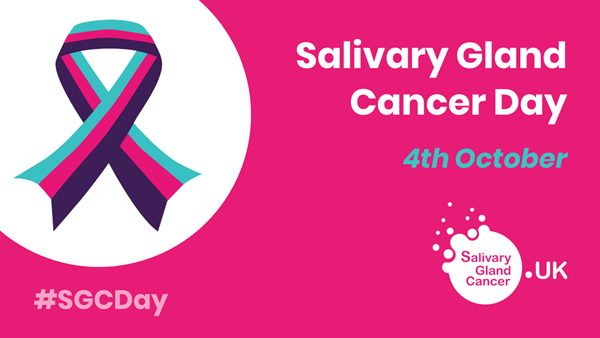
Salivary Gland Cancer Day - 4th October

20 Sep 2026

Raising Awareness for a Rare Disease. Welcome to the Worldwide Salivary Gland Cancer Day, being held annually on the 4th of October.

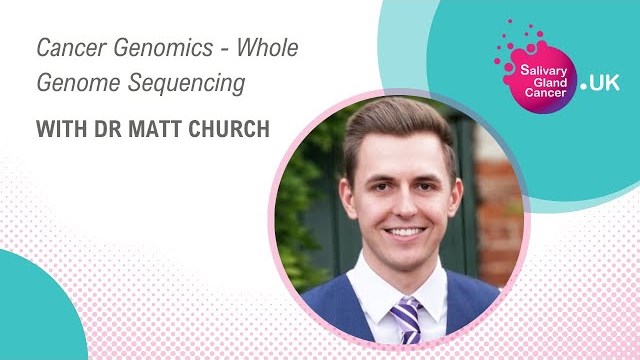
Clinical Utility of Whole-Genome Sequencing to Aid Histologic Diagnosis and to Direct Personalized Medicine in Salivary Gland Cancer

Whole-Genome Sequencing (WGS) can be achieved in a clinically relevant timeframe for patients with relapsed/metastatic SGC

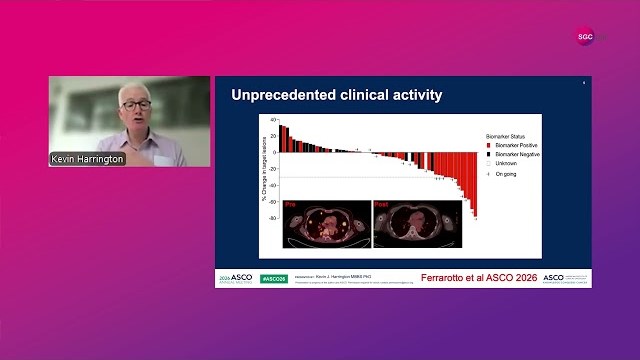
New Treatment Options in Adenoid Cystic Carcinoma (ACC), Updates from ASCO 2026

29 Jul 2026

Prof Kevin Harrington presents an update on new treatment options for Adenoid Cystic Carcinoma (ACC), shared as part of the ASCO 2026 meeting.

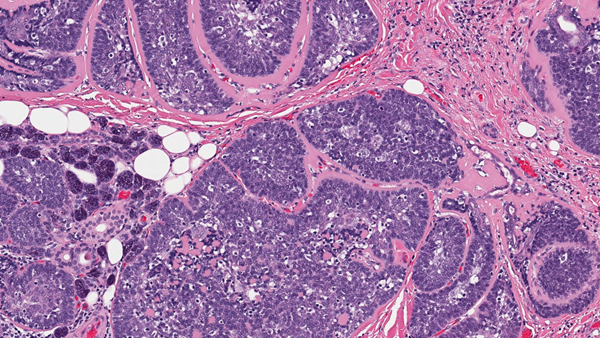
Acinic Cell Carcinoma (AcCC)

Acinic cell carcinomas account for 1-6% of salivary gland tumours.

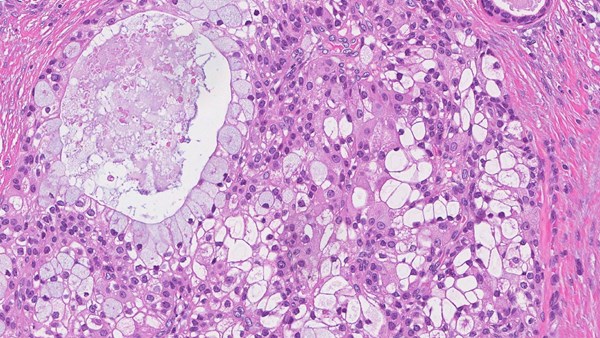
Carcinosarcoma of the Salivary Glands

Carcinosarcoma accounts for less than 1% of all salivary gland tumours

Mucoepidermoid Carcinoma (MEC) & Warthin-like MEC

Mucoepidermoid Carcinoma (MEC) including Warthin-like MEC

Myoepithelial Carcinoma (MC)

Myoepithelial carcinoma makes up less than 2% of all salivary gland tumours

Polymorphus Adenocarcinoma (PAC)

Polymorphous adenocarcinoma (PAC) accounts for around 12% of malignant salivary gland tumours

Basal Cell Adenocarcinoma (BCAC)

Basal Cell Adenocarcinoma (BCAC) accounts for 1-3% of salivary gland cancers

SGC Travel Grants

Apply for funding to travel to a conference or workshop. We welcome all applications that are aligned with our strategy.

Load more stories
Salivary Gland Cancers
Our Stories
Patient and Carer Support
Support SGC UK (and get involved)
about 6 hours ago What an Unforgettable SGC Day 2026! πŸŸ¦πŸ’— We are absolutely blown away by the turnout and energy at Woburn House in London today for World Salivary Gland Cancer Day! We had an overwhelming response, with even more people arriving than expected, creating an incredibly warm, welcoming, and vibrant atmosphere. Today was all about One Community, One Cause: πŸ—£οΈ Sharing & Connecting: Patients, carers, and loved ones came together to share their personal experiences, swap advice, and offer mutual support in a space where everyone truly understands the journey. 🧠 Fascinating Research: We were treated to inspiring talks from our expert research panel, diving into cutting-edge developments in chemputers, anatomical insights, and future treatments. β˜• Good Food & Great Company: Attendees caught up over fantastic food, hot drinks, and plenty of heartfelt conversations. Thank you so much to every single person who travelled from near and far to make today such a resounding success. The strength, resilience, and unity of our community is what drives everything we do. We are already counting down the days until our next gathering! πŸ’™βœ¨ #SGCDay2026 #SalivaryGlandCancer #OneCommunityOneCause #SGCUK #RareCancerSupport #LondonEvents #PatientCommunity #HeadAndNeckCancer @SGCancerUK
about 9 hours ago Not all salivary gland cancers are the same...and location matters. πŸ“πŸ§¬ On this Salivary Gland Cancer Day, we are highlighting the complex anatomy of the salivary system and where these rare tumours can develop. While around 75% of primary salivary gland cancers occur in the major head and neck glands, such as the parotid, submandibular, and sublingual glands, the remaining 25% are found in minor salivary glands distributed across the oral cavity, nasal passages, and even external sites like the breast, trachea, skin, vulva, and lacrimal gland. Because symptoms vary widely depending on the anatomical site, these tumours are frequently misdiagnosed or caught late. Understanding the specific anatomical location is essential for accurate diagnosis, precise surgical planning, and targeted radiotherapy. Watch the reel to explore the anatomical breakdown of salivary gland cancer and help us share this post so more people understand the signs, locations, and complexity of these rare tumours. πŸ’™ 🌍 Download our multi-lingual SGC Day resources: #SGCDay2026 #SalivaryGlandCancer #AnatomyOfSGC #RareCancerAwareness #OneCommunityOneCause #SGCUK #HeadAndNeckCancer #PrecisionOncology @SGCancerUK
about 10 hours ago Did you know there are over 20 distinct types of salivary gland cancer? 🧬 On this Salivary Gland Cancer Day, we are highlighting the sheer complexity of rare salivary gland tumours. From Adenoid Cystic Carcinoma (ACC) and Mucoepidermoid Carcinoma (MEC) to lesser-known subtypes like Lymphoepithelial Carcinoma (LEC), no two diagnoses are exactly the same. Because these tumours represent less than 0.5% of all global cancer cases, patients often face misdiagnoses, prolonged delays in care, and limited treatment options. Understanding this diversity is key to driving research into targeted therapies, Whole Genome Sequencing, and dedicated clinical trials. Watch the reel to see the over 20 subtypes represented across our community, and share this post to help us ensure every rare tumour type receives the research and recognition it deserves. πŸ’™ 🌍 Download social resources in 23 languages: #SGCDay2026 #SalivaryGlandCancer #RareCancerAwareness #OneCommunityOneCause #SGCUK #PrecisionOncology #HeadAndNeckCancer @SGCancerUK
about 11 hours ago Whatever language, wherever you are the world we want you to share the message that we are β€˜one community, one cause’. Please share today on #salivaryglandcancerday #sgcday @SGCancerUK
about 13 hours ago Today is Salivary Gland Cancer Day! πŸŽ—οΈπŸ’™ Today, we stand alongside everyone affected by rare salivary gland cancers (SGCs). With over 20 malignant subtypes making up less than 0.5% of all global cancer cases, SGCs are frequently misdiagnosed, underfunded, and lack approved treatment options for up to 98% of patients with advancing disease. This must change. We must try harder. The time for action is now. We are calling for urgent progress across: 🧬 Whole Genome Sequencing: Profiling every tumour for targeted mutations. 🧫 Biobanking: Storing tissue to power vital research for future generations. πŸ“Š Adaptive Trials: Testing repurposed drugs and designing trials around real patient needs. Having a rare cancer is an isolating journey, but no one should face it alone. Please share this post to help us spread awareness worldwide. 🌍 Graphics available in 23 languages: πŸ”¬ Latest research updates: #SGCDay2026 #SalivaryGlandCancer #RareCancerAwareness #OneCommunityOneCause #SGCUK #PrecisionOncology #Biobanking @SGCancerUK
SGC Day 2026 is Just Days Away! πŸŸ¦πŸ’—

The countdown is officially on! This Sunday, 4th October, our community is coming together for Salivary Gland Cancer Day.

We can’t wait to connect, share research updates, and stand together as One Community, One Cause.

Can’t attend live? You can still make a huge impact on Sunday! 🌐

We’re asking our entire global network to help us flood social media on October 4th to raise vital awareness for salivary gland cancers.

πŸ‘‰ Get involved from home:
Visit our SGC Day resources hub to download ready-to-share social graphics, posters, and key facts.

On Sunday, post a graphic alongside your own message or story,in whatever language you like!

Tag \@SalivaryGlandCancerUK and use #SGCDay2026 so we can re-share your posts.

Every single share helps ensure no one facing a rare salivary gland tumour feels alone. Let's make sure our collective voice is heard far and wide this Sunday!

πŸ”— Access graphics, resources & event info here: https://lnkd.in/e-rKEdAE

#SGCUK #SGCDay2026 #OneCommunityOneCause #SalivaryGlandCancer #RareCancerAwareness #HeadAndNeckCancer #PatientAdvocacy
@sgcanceruk
about 2 days ago Can't make it to SGC Day in London? You can still be part of SGC Day 2026! 🌐✨ Even if you can't join us in person on Sunday, 4th October, you can still help make a massive impact from wherever you are in the world. One Community, One Cause is all about coming together to raise vital awareness for rare salivary gland cancers. Raising awareness helps drive early diagnosis, support research, and ensure no patient or carer ever feels alone. Here’s how you can join in online: 1️⃣ Head to our Google Drive: Download one of our ready-to-share social media graphics or videos. 2️⃣ Share your experience: Post the graphic alongside your own story, message of support, or experience living with or caring for someone with a rare salivary gland tumour. 3️⃣ Spread the word in any language: SGC affects communities globally! Feel free to share your post in your native language to reach as many people as possible. 4️⃣ Tag us and use our hashtags: Don't forget to tag @SalivaryGlandCancerUK so we can see and re-share your post! Every single share, post, and story helps spread awareness far and wide. Let’s make our voices heard across the world on 4th October! πŸ’™ #SGCDay #SGCDay2026 #SalivaryGlandCancerDay #OneCommunityOneCause #SalivaryGlandCancer #RareCancerAwareness #SGCUK @SGCancerUK
about 3 days ago SGC Day 2026 is Just 3 Days Away! πŸŸ¦πŸ’— The countdown is officially on! This Sunday, 4th October, our community is coming together for Salivary Gland Cancer Day. We can’t wait to connect, share research updates, and stand together as One Community, One Cause. Can’t attend the London event? You can still make a huge impact on Sunday! 🌐 We’re asking our entire global network to help us flood social media on October 4th to raise vital awareness for rare salivary gland cancers. πŸ‘‰ Get involved from home: Visit our SGC Day resources hub to download ready-to-share social graphics, posters, and key facts. On Sunday, post a graphic alongside your own message or story, in whatever language you like! Tag @SalivaryGlandCancerUK and use #SGCDay2026 so we can re-share your posts. Every single share helps ensure no one facing a rare salivary gland tumour feels alone. Let's make sure our collective voice is heard far and wide this Sunday! πŸ”— Access graphics, resources & event info here: #SGCUK #SGCDay2026 #OneCommunityOneCause #SalivaryGlandCancer #RareCancerAwareness #HeadAndNeckCancer #PatientAdvocacy @SGCancerUK
about 6 days ago Massive Congratulations to Dr Robert Metcalf! πŸŽ‰πŸ‘ We could not be prouder to share that Dr Robert Metcalf, co-founder of Salivary Gland Cancer UK and Consultant Medical Oncologist at The Christie, has been appointed as the National Clinical Lead for Rare Cancers on NHS England's National Cancer Board! Rare cancers account for a huge portion of diagnoses, yet patients often face unique hurdles, from finding expert care to accessing clinical trials. Through his work with SGCUK, Rob understands the sharp end of the rare cancer spectrum. He knows that salivary gland cancer patients often face some of the hardest challenges, and he remains fully dedicated to supporting and advocating for our community. In his new role, Rob will work across the NHS to help ensure that having a rare diagnosis never stands in the way of high-quality care, specialist expertise, or pioneering research. πŸ“Ί Explore Rob's Insights: You can catch plenty of Rob’s educational videos, research breakdowns, and Q&A sessions on our website and YouTube channel! Congratulations Rob from all of us at SGCUK and across our entire community! πŸ’™βœ¨ #SGCUK #RareCancers #SalivaryGlandCancer #TheChristie #PatientCare #NHS #HealthcareLeaders @SGCancerUK
Huge Congratulations to SGC Co-founder Dr Robert Metcalf! πŸ‘πŸŽ‰

We are so proud to share that Dr Robert Metcalf, co-founder of Salivary Gland Cancer UK and Consultant Medical Oncologist at The The Christie NHS Foundation Trust, has been appointed National Clinical Lead for Rare Cancers on NHS England's National Cancer Board!

This is a milestone moment for the entire rare cancer community.
Patients facing rare malignancies, including the over 20 distinct subtypes of salivary gland cancer, often encounter significant hurdles: delayed diagnoses, fragmented care, limited treatment options, and restricted access to clinical trials.
Through his work co-founding SGCUK, Rob deeply understands the far end of the rare cancer spectrum. He knows first hand that rare cancer patients often face some of the steepest challenges in healthcare, and he remains fully committed to driving progress and better outcomes for our salivary gland cancer community.

In his new national role, Rob will work alongside patients, clinicians, and researchers to ensure that rarity is never a barrier to receiving high-quality, equitable care and accessing cutting-edge research.

πŸ’‘ Want to learn more from Rob?
Explore a wealth of clinical insights, webinars, and research updates featuring Dr Metcalf across the Salivary Gland Cancer UK website and YouTube channel.

Please join us in sending a massive congratulations to Rob on this extraordinarily well-deserved appointment! πŸ‘πŸŸ¦πŸ’—
#SGCUK #RareCancer #Oncology #NHS #SalivaryGlandCancer #HeadAndNeckCancer #PrecisionMedicine #PatientAdvocacy #TheChristie
@sgcanceruk
about 10 days ago SGCUK: What Drives Us – Our 8 Strategic Aims πŸŸ¦πŸ’— When we say we are on a mission to improve life for everyone affected by salivary gland cancer, we aren't just talking about a vague goal. Our strategy, our research, and our community support are all anchored by 8 distinct strategic aims. Here is what we are fighting for every single day: 1️⃣ Building Support & Information Networks: Bringing patients together, raising public awareness, and connecting the clinical and research communities. 2️⃣ Improving Life Beyond Cancer: Understanding the long-term impact of SGC and developing interventions to improve quality of life and manage treatment side effects. 3️⃣ Early Diagnosis: Improving the rate of early detection so treatment can begin as soon as possible. 4️⃣ Better Referral Pathways: Optimising the journey from that first doctor's visit to a definitive diagnosis. 5️⃣ Standardised Treatment Guidelines: Developing clear, unified medical guidelines for managing and monitoring individual SGC subtypes across the UK. 6️⃣ Advanced Radiotherapy Research: Understanding exactly how effective different types of radiotherapy are for specific salivary gland cancers. 7️⃣ Surgical & Radiotherapy Innovations: Pushing for treatment techniques that minimise side effects and deliver better post-treatment survivorship. 8️⃣ Developing Standard Drug Treatments: Supporting basic biology research, turning that knowledge into treatments, and driving forward specialised clinical drug trials. Last year at our inaugural Salivary Gland Cancer Day, we recorded a series of brilliant presentations from top surgeons, radiographers, and oncologists detailing exactly how we are putting these 8 aims into action. πŸ‘‡ Head over to our website to watch the highlights videos and see how we are changing the future of SGC care together: πŸ”— #SGCUK #SalivaryGlandCancer #RareCancerResearch #CancerAdvocacy #OncologyGuidelines #PatientVoice #StrongerTogether @SGCancerUK
about 11 days ago Joining us for SGC Day on Sunday 4th October? 🎟️ We want to make sure everyone in our community can access SGC Day 2026. ✨ Free Admission (Includes pastries & lunch!) ✨ Travel & Accommodation Bursaries available for those needing financial assistance to attend in person. Don't miss this opportunity to connect with our community, hear the latest clinical research, and access specialist support. πŸ“© Email [email protected] for bursary details. πŸ‘‰ Book your free ticket now: #SGCUK #SGCDay2026 #RareCancerAwareness #OneCommunityOneCause @SGCancerUK
Looking ahead to next month, October 4th marks Global Salivary Gland Cancer Awareness Day.

In the rare disease sector, systemic awareness is a practical driver of improved clinical outcomes. Broad awareness accelerates primary care GP detection rates, unlocks vital research board funding, and standardises multi-institutional care pathways.

As we finalise our strategic initiatives for the big day, we are inviting our professional network to collaborate with us to amplify the global conversation:

πŸ—£οΈ Clinical & Patient Case Studies: We are looking to highlight real-world treatment journeys. If you are an oncologist with insights to share or a patient advocate willing to share your perspective, please contact our team directly via DM.

πŸ“Š Digital Advocacy: Visit our website to download our resources, designed to help you share information about rare salivary malignancies across your professional networks.

πŸ“£ Knowledge Sharing: Simply engaging with and sharing our upcoming educational content introduces your professional peers to clinical complexities they may rarely encounter.

Let’s leverage the upcoming month to elevate the profile of rare tumour research globally.

Book your place at our FREE SGC DAY EVENT here : https://lnkd.in/eTUrS9u7

#SGCUK #SalivaryGlandCancerDay #RareDiseaseAdvocacy #OncologyAwareness #PublicHealth #HealthcareEngagement
@sgcanceruk
about 12 days ago Raising Vital Awareness for Rare Cancers in the Media! πŸ“°πŸ’™ We are delighted to see this inspiring coverage in the Yorkshire Evening Post highlighting Tanja’s story and her incredible advocacy work for Adenoid Cystic Carcinoma (ACC). Tanja’s journey is a powerful reminder of why driving awareness and funding research into rare salivary gland cancers is so vital. Articles like this play a huge role in putting rare head and neck cancers on the national radar, helping people understand both the diagnosis and the profound long-term impacts of treatment. A massive thank you to Tanja! ✨ Read Tanja’s story here: #SGCUK #AdenoidCysticCarcinoma #ACC #RareCancerAwareness #PatientVoice #YorkshireEveningPost #SalivaryGlandCancer #HeadAndNeckCancer @SGCancerUK
about 12 days ago Navigating SGC: How We Can Help You Right Now 🀝✨ If you or a loved one are trying to process a salivary gland cancer diagnosis, please take a deep breath. You don’t have to figure everything out on your own. SGCUK is here to wrap a network of practical, real-world support around you. Here are the tangible ways we can support you today: πŸ“– The SGC Website: Our online hub is packed with clear, expert-reviewed information and resources covering everything from specific tumour subtypes (like ACC or PAC) to managing side effects like dry mouth (xerostomia) or facial weakness. πŸ“© Our Newsletter: Stay up to date with the latest clinical trials, research breakthroughs, and community updates delivered straight to your inbox. It’s the easiest way to make sure you never miss important news. 🏠 Our Annual Gatherings: Each year, we bring our community together in person for our annual patient and carer gatherings. It is a wonderful, welcoming space to connect with others face-to-face, hear directly from leading clinical experts, and share experiences with people who truly understand. πŸ’¬ Our Social Media Channels: Right here on our social pages, we host a vibrant, supportive community. It's a space where you can read patient stories, ask questions, find comfort, or simply follow along quietly until you feel ready to reach out. Whether you need hard clinical facts to prepare for a surgery, or just a friendly ear on a difficult day, our virtual and real-world doors are always open. πŸ‘‡ Explore our resources, sign up for the newsletter, and learn about our next events: πŸ”— #SGCUK #CancerSupport #PatientResources #RareCancerCommunity #HeadAndNeckCancer #PeerSupport #YouAreNotAlone @SGCancerUK
about 14 days ago Get Ready: Global Salivary Gland Cancer Awareness Day is Next Month! πŸŒπŸ—“οΈ Our eyes are firmly fixed on October, because October 4th marks Global Salivary Gland Cancer Awareness Day! When you are dealing with an rare disease, awareness isn't just a buzzword. Awareness means quicker diagnoses by GPs, more funding from research boards, and better care pathways from health systems. It literally saves lives. We are planning some incredible initiatives for the big day, but we cannot do it without you. Here is how you can gear up to get involved right now: πŸ’¬ Share Your Story: We want to amplify real voices. If you are a patient, carer, or doctor and feel comfortable sharing a piece of your journey (or a photo!), send us a direct message. Your story could be the beacon of hope a newly diagnosed person needs to see. 🎨 Highlight our work: Hop onto our website and download our shareable templates for your social media. Plan to update your page to help us flood the feed with awareness. πŸ“£ Be an Educator: Simply hitting "share" on our posts introduces your friends, family, and colleagues to a disease they likely know nothing about. Let's use the final days of September to get ready. Together, we are going to make sure the world hears the voices of SGC patients loud and clear.✨ #SGCUK #SalivaryGlandCancerDay #RareCancerAwareness #SGCCommunity #CancerAdvocacy #GetInvolved #ComingSoon @SGCancerUK
about 16 days ago Good Luck Team Tanja! ⛰️πŸ₯ΎπŸ’™ Sending a massive SGCUK good luck to Tanja and her incredible team of friends and family taking on the epic Yorkshire Three Peaks Challenge this weekend! Scaling 24 miles and 1,585 metres of ascent across Pen-y-ghent, Whernside, and Ingleborough is no easy feat, but their determination and community spirit are truly inspiring. They have already smashed past an extraordinary Β£22,000 raised for Salivary Gland Cancer UK! We will be cheering Tanja and the whole team on every step of the way across the peaks. You've got this! πŸ”οΈβœ¨ πŸ‘‰ Show Tanja and the team some love or donate to their page here: #SGCUK #Yorkshire3Peaks #TeamTanja #YorkshireThreePeaks #FundraisingHeroes #RareCancerAwareness #CommunitySupport #SalivaryGlandCancer @SGCancerUK
about 16 days ago SGC Anatomy Focus: The Submandibular Gland πŸ§β€β™‚οΈπŸ’¦ Welcome back to our anatomy series! This month, we are moving slightly lower down the face to look at the Submandibular Glands. Previously known as the submaxillary glands, these are located just under and deep within your jawline, toward the back of your mouth. The saliva they make travels through a tube under the front of your tongue (called Wharton's duct). What does it do? The Heavy Lifter: Even though the parotid gland is much bigger, the submandibular glands are the real workers, they actually produce 70% of the saliva in your mouth! A Common Mishap: Because of how this gland sits, if you become persistently dehydrated, mineral stones can form and block the duct, causing the jaw to swell up. SGC Fact: Only about 10% of salivary gland tumours begin in the submandibular glands. Because it sits right under the jawline, a tumour here is often first noticed as a firm, painless lump beneath the chin. Check out Ian's Story - Did your journey start in the submandibular gland? Share your experience or tips for managing care in this area below. πŸ’™ #SGCUK #SubmandibularGland #SalivaryGlandCancer #HeadAndNeckCancer #CancerEducation #AnatomySeries #RareCancerSupport @SGCancerUK
about 18 days ago Welcome to SGCUK – Are you new here? πŸŸ¦πŸ’— With autumn around the corner and Global Salivary Gland Cancer Awareness Day coming up in October, we want to take a moment to pause, open our doors, and say a massive welcome to everyone who has recently joined our page. Whether you were diagnosed this week, are supporting a loved one, or are a healthcare professional looking to learn more, we are so incredibly glad you found us. What is Salivary Gland Cancer (SGC)? If you are new to this diagnosis, everything can feel incredibly overwhelming. Here are the baseline facts to help you find your footing: It is Rare: Salivary gland cancers account for less than 1% of all cancers diagnosed in the UK. Because it's uncommon, it's completely normal if you had never heard of it before your diagnosis. It is Diverse: There isn't just "one" type of salivary gland cancer. There are over 20 different histological subtypes (like Adenoid Cystic Carcinoma, Mucoepidermoid Carcinoma, and Polymorphous Adenocarcinoma). Each behaves a bit differently. It Affects Different Sites: It can start in the major glands (like the parotid behind your jaw) or in hundreds of microscopic minor glands tucked away inside your mouth, throat, and sinuses, as well as other parts of the body such as the trachea, skin, Bartholin's gland and breast. You Are Not Alone Because SGC is rare, patients often feel isolated. You might be the only person in your local clinic or town navigating this specific journey. But online, you belong to a massive, vibrant, and deeply supportive global network. Over the next few weeks, we’re going to be sharing posts about exactly what we do here at SGCUK, how we can help you navigate your care, and how you can get involved as we approach our big awareness day next month. If you’re comfortable, use the comments below to introduce yourself, let us know where you’re tuning in from, or simply drop a πŸ’™ to let us know you're here. We see you, we support you, and we are stronger together. #SGCUK #SalivaryGlandCancer #RareCancerSupport #HeadAndNeckCancer #NewDiagnosed #CancerCommunity #YouAreNotAlone #PatientSupport @SGCancerUK
Translating Vision Into Practice: The 8 Strategic Aims of SGCUK πŸ“‹πŸŽ―

At Salivary Gland Cancer UK, our long-term mission is guided by a co-produced roadmap developed by patients, leading head and neck surgeons, radiographers, and medical oncologists.
This framework outlines 8 distinct Strategic Aims designed to improve survival and quality of life outcomes:

1️⃣ Network Optimisation: Linking patient cohorts, public awareness, and the global research community.

2️⃣ Survivorship & Quality of Life: Developing targeted interventions to manage long-term side effects like xerostomia and facial nerve injury.

3️⃣ Early Diagnosis: Improving detection rates at the primary care level.

4️⃣ Streamlined Referral Pathways: Standardizing the timeline between initial presentation and definitive tertiary team evaluation.

5️⃣ Unified Treatment Guidelines: Co-producing clear medical protocols for managing diverse SGC subtypes across the NHS.

6️⃣ Radiotherapy Efficacy Research: Evaluating the impact of different radiation modalities on specific tumour lines.

7️⃣ Surgical & Radiotherapy Innovations: Championing clinical approaches that maximise tumour control while minimizing functional morbidity.

8️⃣ Systemic Therapeutics Development: Supporting basic laboratory biology and translating discoveries into specialised clinical drug trials.
Putting Aims Into Action: Our translational drug research is powered by close collaboration with national infrastructure, including the tissue Biobank at The Christie NHS Foundation Trust in Manchester.

πŸ“Ί To view clinical highlights and expert panel discussions from our medical advisors detailing how we are meeting these milestones, explore our latest updates: https://lnkd.in/ePQKUvH4

#SGCUK #OncologyStrategy #HealthcareGovernance #ClinicalGuidelines #RareDiseaseResearch #MedicalInnovation
@sgcanceruk
about 20 days ago SGC Jargon Buster: What is a Biopsy? πŸ”¬πŸ•΅οΈβ€β™‚οΈ We love to break down the medical words and clinical "jargon" you might hear from your care team, making your diagnosis easier to understand. Next up: The Biopsy. Simply put, a biopsy is a procedure where a doctor removes a small sample of tissue or cells from an area of concern (like a lump or swelling in a salivary gland). This sample is then sent to a specialist laboratory for testing. There are a few common ways a biopsy is done: πŸ‘‰ Fine Needle Aspiration (FNA): A very thin needle is used to gently withdraw cells from the lump. It’s quick and often done right in the clinic. πŸ‘‰ Core Needle Biopsy: A slightly larger needle is used to take a tiny "core" cylinder of tissue, providing a bit more detail. πŸ‘‰ Incisional/Excisional Biopsy: A small surgical procedure where either a piece of the lump or the whole lump is removed to be looked at closely. Why is it so important? A scan (like an MRI or CT) can show where a lump is, but only a biopsy can tell the medical team exactly what the cells are. It is the definitive key to unlocking the right treatment plan. What clinical term did you find most confusing when you were first diagnosed? Let us know in the comments, and we might feature it next month! πŸ‘‡ #SGCUK #SGCJargonBuster #Biopsy #CancerEducation #SalivaryGlandCancer #PatientEmpowerment #UnderstandingCancer @SGCancerUK
Welcome to SGCUK: Bridging the Gap in Rare Oncology πŸŸ¦πŸ’—

As we head into autumn and look ahead toward Global Salivary Gland Cancer Awareness Day in October, we want to extend a warm welcome to the new clinicians, researchers, patients, and corporate partners who have recently joined the Salivary Gland Cancer UK LinkedIn network.

For those unfamiliar with our organisational framework, here is how we address the structural gaps within the rare cancer ecosystem:

β€’ Addressing Rarity: Salivary gland cancers account for less than 1% of all UK cancer diagnoses. This low incidence rate means primary care physicians rarely encounter them, making specialised referral networks vital.

β€’ Navigating Histological Diversity: SGC is uniquely complex, spanning over 20 distinct subtypes (such as Adenoid Cystic Carcinoma, Mucoepidermoid Carcinoma, and Polymorphous Adenocarcinoma). Each demands dedicated, tailored clinical approaches

. β€’ Managing Anatomical Subsites: Malignancies can originate within major facial glands or across hundreds of microscopic minor salivary glands embedded throughout the oral cavity, pharynx, and sinuses.

No patient or clinician should have to navigate an rare condition without a centralised resource hub. If you are a healthcare professional or industry stakeholder joining us this month, drop a comment below to introduce your department or field of research.

#SGCUK #RareCancerEcosystem #OncologyNetwork #HealthcareDelivery #PatientAdvocacy #HeadAndNeckCancer
@sgcanceruk
Clinical Literacy: The Critical Role of Histopathology and Biopsy in Rare Tumours πŸ”¬πŸ“‹

In the management of rare diseases, precision in early diagnostics dictates the entire therapeutic trajectory. When assessing salivary gland lesions, moving past initial cross-sectional imaging (MRI/CT) to a definitive biopsy is the critical bottleneck for effective clinical decision-making.

Because salivary gland cancer (SGC) encompasses over 20 distinct histological subtypes, imaging alone cannot differentiate between overlapping tumour profiles.
A high-quality tissue or cellular sample is required to unlock the correct treatment pathway:
β€’ Fine Needle Aspiration (FNA): Utilises a thin-gauge needle to aspirate cellular material. This is a rapid, minimally invasive outpatient triage tool to differentiate between inflammatory, benign, or highly suspicious lesions.

β€’ Core Needle Biopsy: Extracts an intact tissue architecture cylinder, providing pathologists with the crucial structural data necessary to evaluate tumour grading and patterns.

β€’ Incisional/Excisional Biopsy: Surgical interventions where a portion of or the entire lesion is resected to assess deep margins, perineural invasion, and exact histological grading.

For rare cancers, the biopsy is the definitive key to molecular mapping and targeted oncological planning.

https://lnkd.in/erQ3CEHU

#SGCUK #ClinicalPathology #Biopsy #OncologyDiagnostics #HeadAndNeckCancer #MedicalEducation #PrecisionMedicine
@sgcanceruk
Join us for this year's Salivary Gland Cancer Day!
Every year, lives are touched by Salivary Gland Cancer, a rare but impactful condition that often goes unnoticed. Salivary Gland Cancer Day has been created to shine a light on these little-known cancers, providing vital information, fostering understanding, and bringing together a supportive community.

Date: October 4th, 2026 10.30am-4.00pm

Location: Woburn House, 20-24 Tavistock Square, London WC1H 9HQ

What to expect on the day;

We will be there to welcome you with a coffee from 10.30am.

11.00-13.00 The sessions will be focussed our patient community. Time to discuss what we've been up to, what is important to us, make new friends and hear from patients, their caregivers and those that help us along the way.

13.00-14.00 Lunch (on us!)

14.00-15.00Β We will be joined by some expert guest speakers to help educate and inspire us and share updates on developing treatments.

The day will wrap up by 16.00.

As always, the wonderful Emma Hallam will be available throughout the day for any 1-1 chats about the late effects of radiotherapy.

The full agenda will be shared in the next couple of weeks.

Our gatherings are the perfect opportunity to meet other patients, clinicians, and carers, along with hearing the latest research updates in the UK and internationally so we would love for you to join us.
Β 
Attendance is free, but we need to know who we have coming to help us with our planning!

Please book your free ticket now and be a part of this historic day by clicking the link: https://lnkd.in/eZrfTkKt

To ensure all attendees can participate comfortably, Woburn House is fully wheelchair accessible.

If you have any questions about the day, please email us at admin\@salivaryglandcancer.uk.

We look forward to seeing you there!
@sgcanceruk
Anatomy Focus: Assessing Malignancies of the Submandibular Gland πŸ§β€β™‚οΈπŸ“Š

Continuing our series exploring the specific anatomical locations of salivary malignancies, this month we are focusing on The Submandibular Gland.

Located bilaterally within the submandibular triangle, deep to the mandible and inferior to the mylohyoid muscle, these glands drain into the oral cavity via Wharton’s duct, situated under the anterior tongue.

Key Functional and Clinical Insights:
β€’ The Primary Salivary Producer: While the parotid glands are physically larger, the submandibular glands are the primary functional workhorses of oral lubrication, generating approximately 70% of resting salivary volume.

β€’ Pathological Vulnerabilities: Due to the highly alkaline, calcium-rich nature of submandibular secretions and the upward trajectory of Wharton’s duct, these glands are highly susceptible to sialolithiasis (salivary stones), which frequently present as painful postprandial jaw swelling mimicking neoplasia.

β€’ SGC Context: Approximately 10% of all salivary gland tumours originate within the submandibular gland. Crucially, while parotid tumours have a high probability of being benign (\~80%), a palpable, firm, painless mass discovered in the submandibular gland has a significantly higher likelihood of being malignant (\~40-50%).

Understanding these baseline statistical variations is vital for GPs and primary care teams conducting early head and neck assessments.

#SGCUK #SubmandibularGland #HeadAndNeckOncology #SurgicalAnatomy #ClinicalEducation #RareDiseaseDiagnostics #GP #GeneralPractice
@sgcanceruk
about 27 days ago One Community, One Cause: Join Us for SGC Day 2026! πŸŸ¦πŸ’— Mark your calendars! On Sunday 4th October 2026, we are coming together for our second annual Salivary Gland Cancer Day! Whether you are a patient, family member, carer, or healthcare professional, these gatherings are all about breaking down the isolation that so often comes with a rare diagnosis. It’s a chance to hear the latest research updates, connect with others who truly understand, and share experiences in a warm, welcoming space. Event Details: πŸ—“ Date: Sunday 4th October 2026 ⏰ Time: 10:30 AM – 4:00 PM πŸ“ Where: Woburn House, London 🎟 Cost: Free! (Includes a free lunch for in-person attendees) What to Expect: ✨ Inspiring sessions from expert guest speakers covering the latest UK and international research updates. ✨ Opportunities to share stories, ask questions, and build lasting support networks. ✨ Travel and accommodation bursaries are available for those who need financial support to attend, just email us at [email protected] for details. πŸ‘‰ Book your free ticket here: We can’t wait to bring our community together again. See you on October 4th! #SGCUK #SGCDay2026 #OneCommunityOneCause #RareCancerSupport @SGCancerUK
about 27 days ago Take Care of Your Loved Ones, and Consider a Gift to the Future πŸ€πŸ“ This week (7–13 September) marks Remember A Charity Week here in the UK. It’s a nationwide moment where charities, solicitors, and communities come together to talk about the power of legacy giving. When it comes to writing or updating your Will, your absolute priority should always be looking after your family, your friends, and the people closest to your heart. But once they are taken care of, did you know that leaving even a tiny percentage of what is left (a residuary gift) to Salivary Gland Cancer UK can completely transform the future for rare cancer patients? A gift in your Will ensures that: πŸ”¬ Research Keeps Moving: We can continue funding major medical breakthroughs, support critical tissue biobanks and drive forward specialised drug trials. πŸ«‚ No One Faces This Alone: Anyone diagnosed with a salivary gland cancer years from now will immediately have a warm, expert community waiting to support them with reliable information and peer networks. You don't need to be wealthy to make a massive difference. Whether it's a small fixed sum or 1% of your estate, every gift leaves a lasting footprint of hope. Adding a bequest to your existing Will is incredibly simple. All your solicitor needs is our official details: 🏠 Registered Address: Salivary Gland Cancer UK, International House, 36-38 Cornhill, London, EC3V 3NG πŸ†” Charity Number: 1182762 (England & Wales) πŸ‘‡ Find out more about how legacy gifts shape our 8 strategic aims and help us fight rare cancers for generations to come: πŸ”— #SGCUK #RememberACharityWeek #GiftsInWills #RareCancerResearch #CancerSupport #LeavingALegacy #EveryGiftMatters @SGCancerUK
about a month ago A gentle reminder for September: your diagnosis might be rare, but you are never alone in this journey. Salivary gland cancers come with unique challenges, but they also bring us together. Our SGCUK network is made up of thousands of incredible patients, carers, family members, and clinicians who truly understand what you are going through. Whenever you need a safe space to share your story, ask a question, or just find some quiet reassurance, this community is here for you. Let's take on this month together. πŸŸ¦πŸ’— #SGCUK #StrongerTogether #RareCancerAwareness #CancerSupportNetwork #CommunityStrength #HeadAndNeckCancer @SGCancerUK
about a month ago Help Shape an Upcoming ACC Trial: Patient Input Needed! πŸ”¬ We’re looking for UK-based ACC patients and caregivers to join a 60-minute online focus group to review the protocol for an upcoming Phase 3 trial opening in the UK. Your real-world experience living with or caring for someone with ACC is all that’s needed, no medical background or trial experience required! πŸ—“οΈ When: Friday 11th September at 4:00 PM ⏱️ Format: 60-minute online call πŸ“„ What’s involved: We’ll send you the documents to read beforehand, then jump on the call to share your thoughts. No written forms or extra paperwork needed. πŸ’³ Payment: You’ll be compensated for your time in line with official NIHR guidelines. How to join: If you can make this date and time, please drop us an email at [email protected] by 5:00 PM on Thursday 3rd September. We want to make sure we have a broad mix of voices in the room, and we’ll confirm places with everyone by Friday 4th September. Thank you for helping us keep patient voices at the heart of new research! πŸŸ¦πŸ’— #SGCUK #AdenoidCysticCarcinoma #ACC #PatientVoice #ClinicalTrials #RareCancer #UKOncology @SGCancerUK
about a month ago Huge Thanks and Support for Fumi Running the Great North Run! πŸƒβ€β™€οΈπŸ’™ We want to send a massive, heartfelt thank you to Fumi, who is taking on the iconic Great North Run in Newcastle on Sunday, 13th September to raise vital funds and awareness for Salivary Gland Cancer UK! Fumi was inspired to take on this 13.1-mile challenge after a 28-year-old friend and former colleague was recently diagnosed with high-grade Mucoepidermoid Carcinoma (MEC) and began intensive treatment. Like so many people in our community, Fumi had never heard of salivary gland cancer before their friend's diagnosis. This highlights just why our work is so important. Fumi has faced health setbacks recently and hasn't been able to train as much as planned, but is determined to run the entire half marathon without stopping! As Fumi beautifully put it: "Whenever it gets tough, I’ll remind myself of why I’m doing it, for my friend and for everyone facing salivary gland cancer." How You Can Help: Every single donation, no matter the size, helps us continue funding research initiatives, supporting tissue biobanking, and ensuring no one faces a rare salivary gland cancer diagnosis alone. πŸ‘‡ Support Fumi's Great North Run here: Thank you so much, Fumi, from all of us at SGCUK and across our entire community. We will be cheering you on every step of the way on 13th September! πŸƒβ€β™€οΈβœ¨πŸŸ¦πŸ’— #SGCUK #GreatNorthRun #GNR2026 #MucoepidermoidCarcinoma #MEC @SGCancerUK

Contact Us

hello@salivaryglandcancer.uk

Salivary Gland Cancer UK, International House, 36-38 Cornhill, London EC3V 3NG

Terms & Conditions Cookies Privacy Policy

Salivary Gland Cancer UK is a registered charity number 1182762.